
Are you looking to contribute to our platform?
For recipes and healthy eating
Access articles by categories
- Mental Health 50
- Stress 45
- Inflammation 40
- Gut Health 30
- Health 28
- Mindfulness 25
- Burnout 20
- Stress Management 19
- Anxiety 18
- Detox 13
- Diet 13
- Sleep 12
- Neuroinflammation 11
- Nutrition 11
- Toxins 11
- Healthy Eating 10
- Health Tips 9
- Hormones 9
- Immunity 9
- Liver 8
- Obesity 8
- Core Values 7
- Metabolic Syndrome 7
- Brain Health 6
- Leaky Gut 6
- Magnesium 6
- Mental Health Awareness 6
- Metabolic Health 6
- Pollution 6
- Self-care 6
- Self-growth 6
- UPFs 6
- Vitamins and Minerals 6
- Depression 5
- Gut Microbiome 5
- Journaling 5
- Mental Health and Well-being 5
- Neurodegeneration 5
- Resilience 5
- Weight Loss 5
- Alzheimer's 4
- Collagen 4
- Detoxification 4
- Diabetes 4
- Digestion 4
- Emotional Freedom 4
- Energy 4
- Exercise 4
- Fatigue 4
- Goals 4
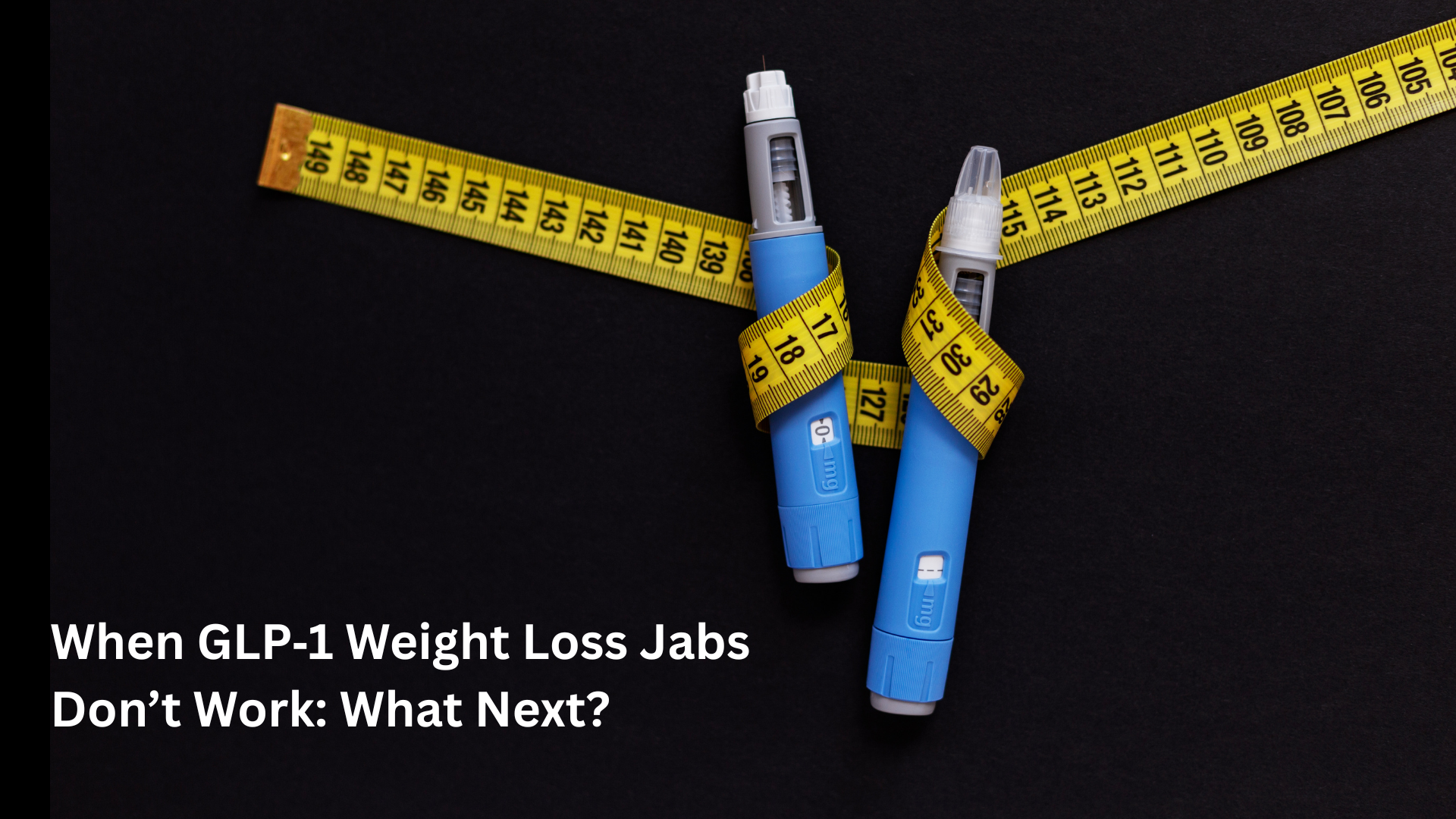
When GLP‑1 Weight Loss Jabs Don’t Work: What Next?
When GLP‑1 Weight Loss Jabs Don’t Work: What Next?
Explore options and what it means for you if the jab is not delivering the results you were led to expect.
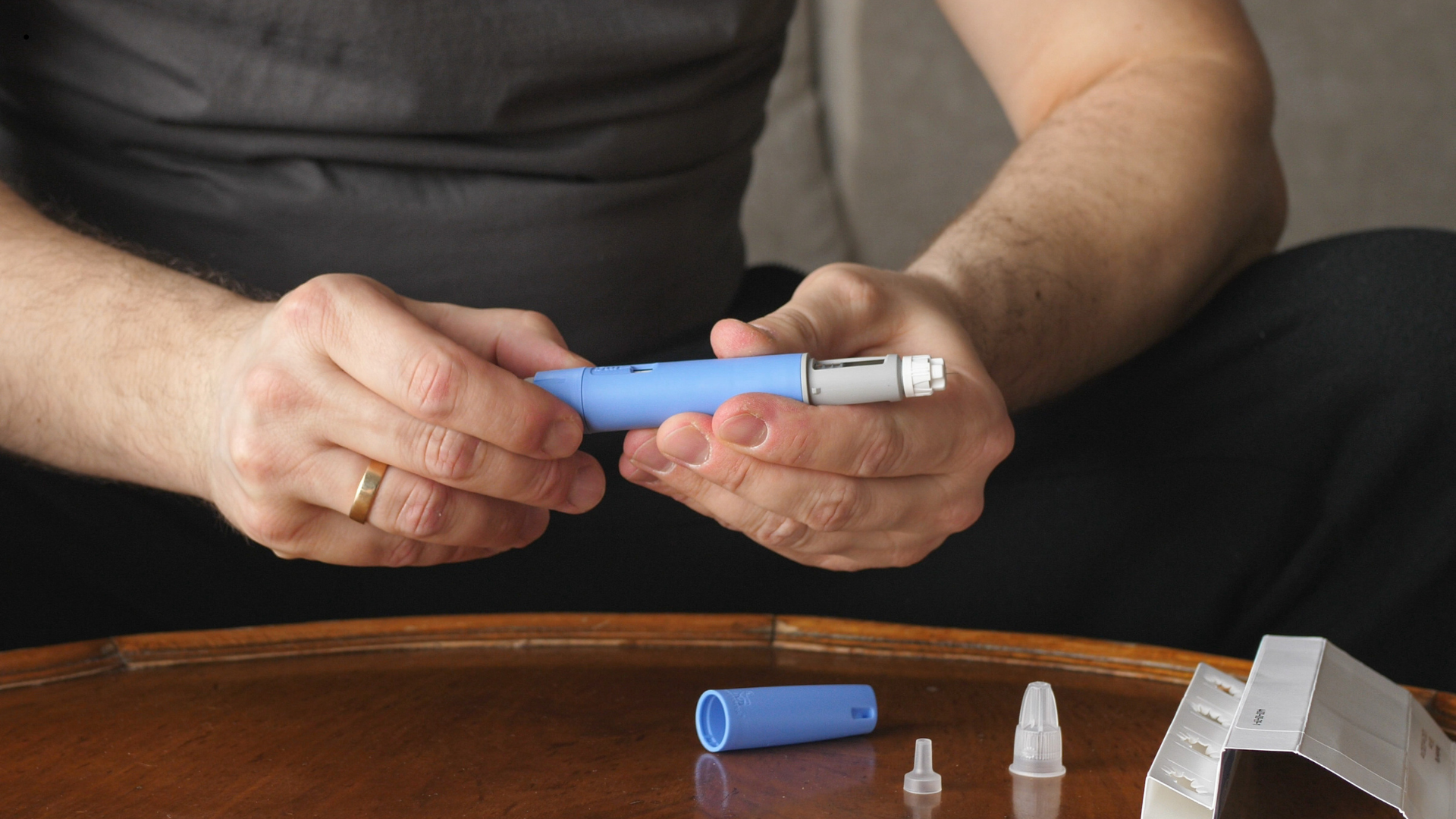
GLP‑1 Weight Loss Jabs: The Risks We’re Not Talking About Enough
GLP‑1 weight loss injections represent a significant advance in obesity treatment science. For many people living with severe obesity and metabolic disease, they offer a clinically meaningful opportunity to reduce risk and improve quality of life. At the same time, they bring new challenges in nutrition, bone and muscle health, psychological adjustment, and responsible prescribing.
What has not changed is the fundamental truth that sustainable health is built on balanced, nutritious eating, regular movement adapted to each person’s ability, adequate rest, supportive relationships, and compassionate self‑care. Medication can be a powerful tool, but it cannot replace holistic support.
As use of GLP‑1 weight loss injections grows, the conversation must move beyond simple “for” or “against” arguments. The real questions are: under what circumstances do the benefits outweigh the risks? What safeguards and supports must be in place? And how can we ensure that people using these drugs are not left to navigate the physical and emotional consequences alone?
Those questions require input from clinicians, dietitians, psychologists, researchers, and people with lived experience. Above all, they need a shift from quick‑fix thinking to a long‑term, person‑centred approach where weight is one piece of the puzzle — not the whole story.