
Are you looking to contribute to our platform?
For recipes and healthy eating
Access articles by categories
- Mental Health 50
- Stress 45
- Inflammation 40
- Gut Health 30
- Health 28
- Mindfulness 25
- Burnout 20
- Stress Management 19
- Anxiety 18
- Detox 13
- Diet 13
- Sleep 12
- Neuroinflammation 11
- Nutrition 11
- Toxins 11
- Healthy Eating 10
- Health Tips 9
- Hormones 9
- Immunity 9
- Liver 8
- Obesity 8
- Core Values 7
- Metabolic Syndrome 7
- Brain Health 6
- Leaky Gut 6
- Magnesium 6
- Mental Health Awareness 6
- Metabolic Health 6
- Pollution 6
- Self-care 6
- Self-growth 6
- UPFs 6
- Vitamins and Minerals 6
- Depression 5
- Gut Microbiome 5
- Journaling 5
- Mental Health and Well-being 5
- Neurodegeneration 5
- Resilience 5
- Weight Loss 5
- Alzheimer's 4
- Collagen 4
- Detoxification 4
- Diabetes 4
- Digestion 4
- Emotional Freedom 4
- Energy 4
- Exercise 4
- Fatigue 4
- Goals 4
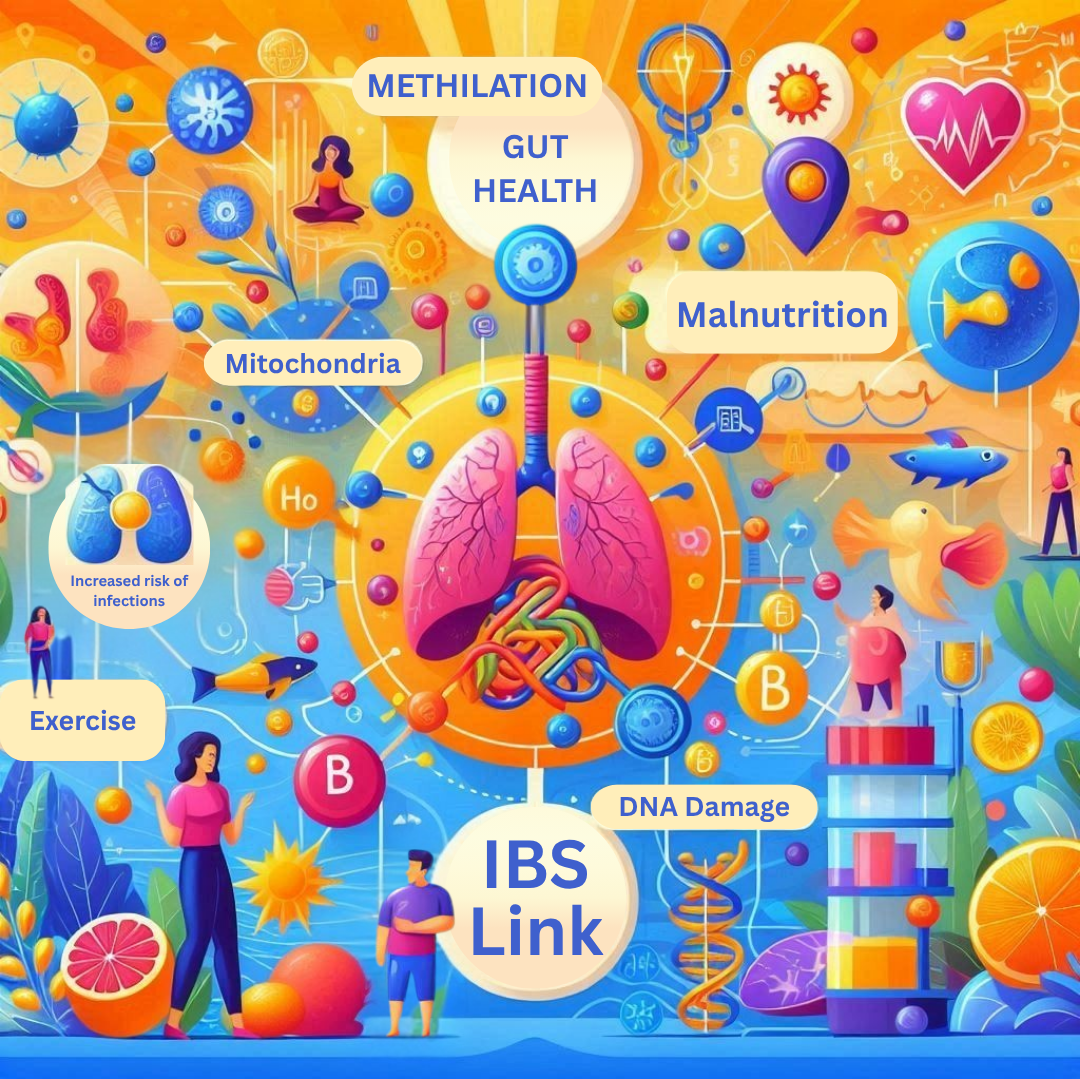
The Missing Link in IBS: How Methylation, Mitochondria, and B Vitamins Shape Your Gut Health
The Missing Link in IBS: How Methylation, Mitochondria, and B Vitamins Shape Your Gut Health
Unlock the science behind IBS relief. Discover how methylation and mitochondrial health intersect with digestive wellness, genetics, and nutrition. This article dives deep into why methylation matters for gut health, energy, hormone balance, and detoxification, and how small lifestyle shifts can influence gene activity, improve symptoms, and help you feel vibrant again.
Ideal for practitioners, researchers, and anyone interested in holistic approaches to managing chronic gut issues.
#IBS #Methylation #Mitochondria #GutHealth #NutritionScience
A Guide to Commercial Collagen Supplements: Types, Absorption, Bioavailability, and Use
A Guide to Commercial Collagen Supplements: Types, Absorption, Bioavailability, and Use
Collagen isn’t a one-size-fits-all solution; effective supplementation starts with personalisation. Assess whether you genuinely need extra support based on your activity level, skin or joint concerns, diet quality, and any dietary restrictions. For most people, supporting collagen naturally involves focusing on a balanced intake of complete proteins (such as eggs, fish, poultry, legumes, and tofu) and essential cofactor nutrients, including vitamin C, zinc, and copper. Whole foods, such as bone broth or slow-cooked stews, also offer natural sources of collagen-building amino acids.
If you do try supplements, consider combining collagen peptides with vitamin C and pairing them with physical activity (some evidence suggests this may optimise tissue repair). Test for real results with a time-limited, consistent trial, then reassess.
Remember, no supplement can compensate for lifestyle factors that impact collagen health. Protecting your skin from UV rays, managing stress, getting quality sleep, and reducing sugar and smoking are all fundamental.
Curious about newer options?
Explore plant-based options that support your body’s collagen synthesis.
Ultimately, the most sustainable results come from addressing your unique needs, diet, and habits, not just adding another expensive powder to your routine.

Mitochondria: The Masterminds of Our Cells and Health?
Mitochondria: The Masterminds of Our Cells and Health?
This article will take you on a journey through the structure, function, and surprising secrets of mitochondria, revealing why these organelles are so much more than mere energy factories. From their ancient origins to their role in disease, from their unique genetics to their influence on your mood and metabolism, mitochondria are the ultimate multitaskers of the biological world.

Collagen: The Science Behind its Effectiveness in Supplements and Skincare
Collagen: The Science Behind its Effectiveness in Supplements and Skincare
All you need to know about collagen supplementation and collagen-containing cosmetics.