
Are you looking to contribute to our platform and become a featured author?
For recipes and healthy eating
Access articles by categories
- Mental Health 52
- Stress 49
- Gut Health 40
- Inflammation 40
- Health 29
- Burnout 27
- Mindfulness 26
- Stress Management 20
- Anxiety 18
- Diet 14
- Detox 13
- Sleep 13
- Nutrition 12
- Toxins 12
- Neuroinflammation 11
- Health Tips 10
- Healthy Eating 10
- IBS 10
- Hormones 9
- Immunity 9
- Leaky Gut 8
- Liver 8
- Mental Health and Well-being 8
- Obesity 8
- Brain Health 7
- Core Values 7
- Magnesium 7
- Metabolic Health 7
- Metabolic Syndrome 7
- Supplements 7
- UPFs 7
- Bone Health 6
- Mental Health Awareness 6
- Neurodegeneration 6
- Pollution 6
- Self-care 6
- Self-growth 6
- Vitamins and Minerals 6
- Depression 5
- Detoxification 5
- Gut Disorders 5
- Gut Microbiome 5
- IBS and Bloating 5
- Journaling 5
- Leaky Gut Syndrome 5
- Nutrition Tips 5
- Resilience 5
- Weight Loss 5
- AI and Mental Health 4
- Addiction 4
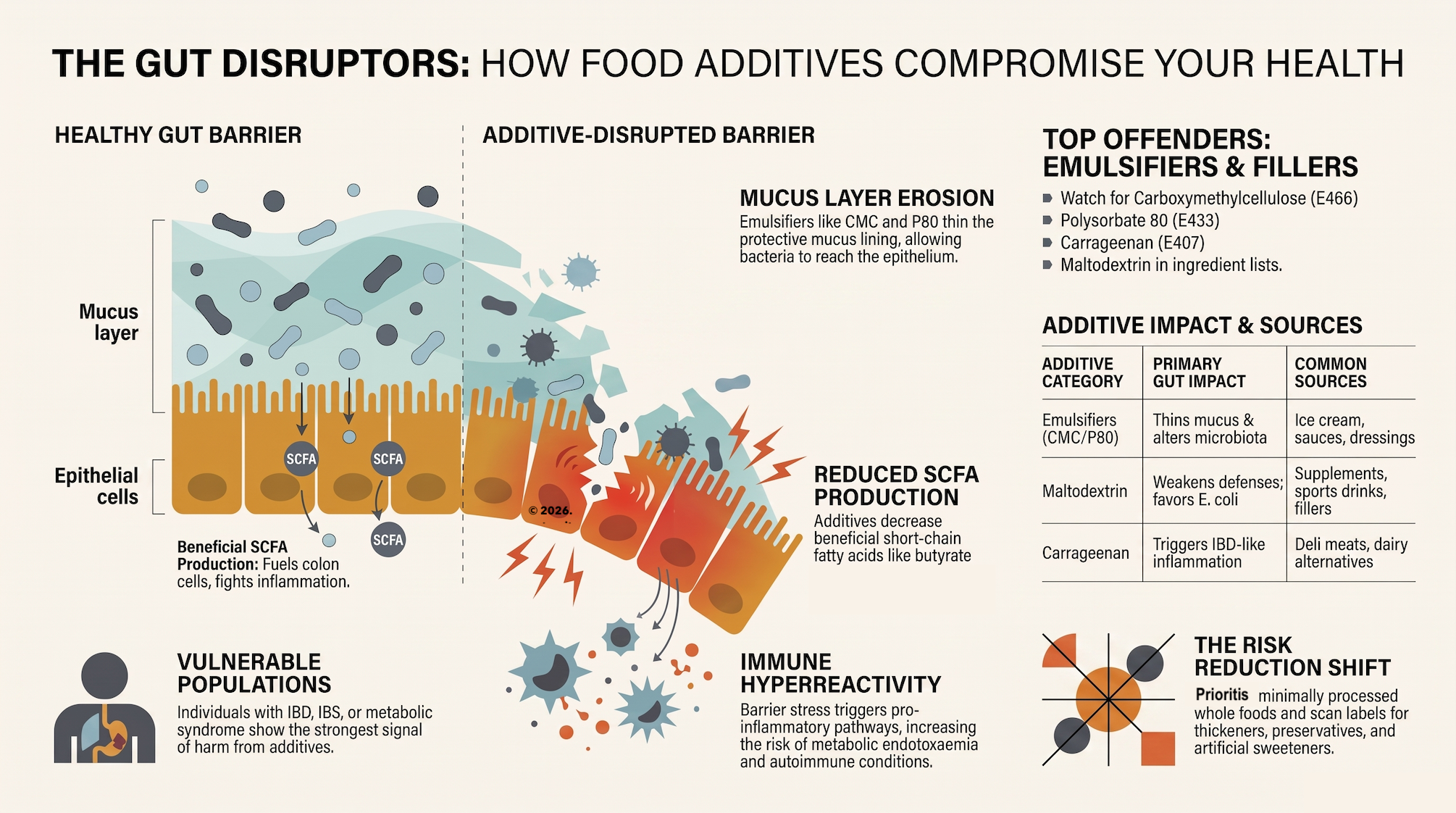
The Hidden Ingredients Reshaping Your Gut: How Food Additives Affect the Microbiome, Barrier and Inflammation
The Hidden Ingredients Reshaping Your Gut: How Food Additives Affect the Microbiome, Barrier and Inflammation

How to Do a Simple Low‑FODMAP Trial at Home
How to Do a Simple Low‑FODMAP Trial at Home
Want to try low‑FODMAP at home? This step‑by‑step guide shows you how to do a simple low‑FODMAP trial to identify your bloating triggers and build a flexible, long‑term diet.
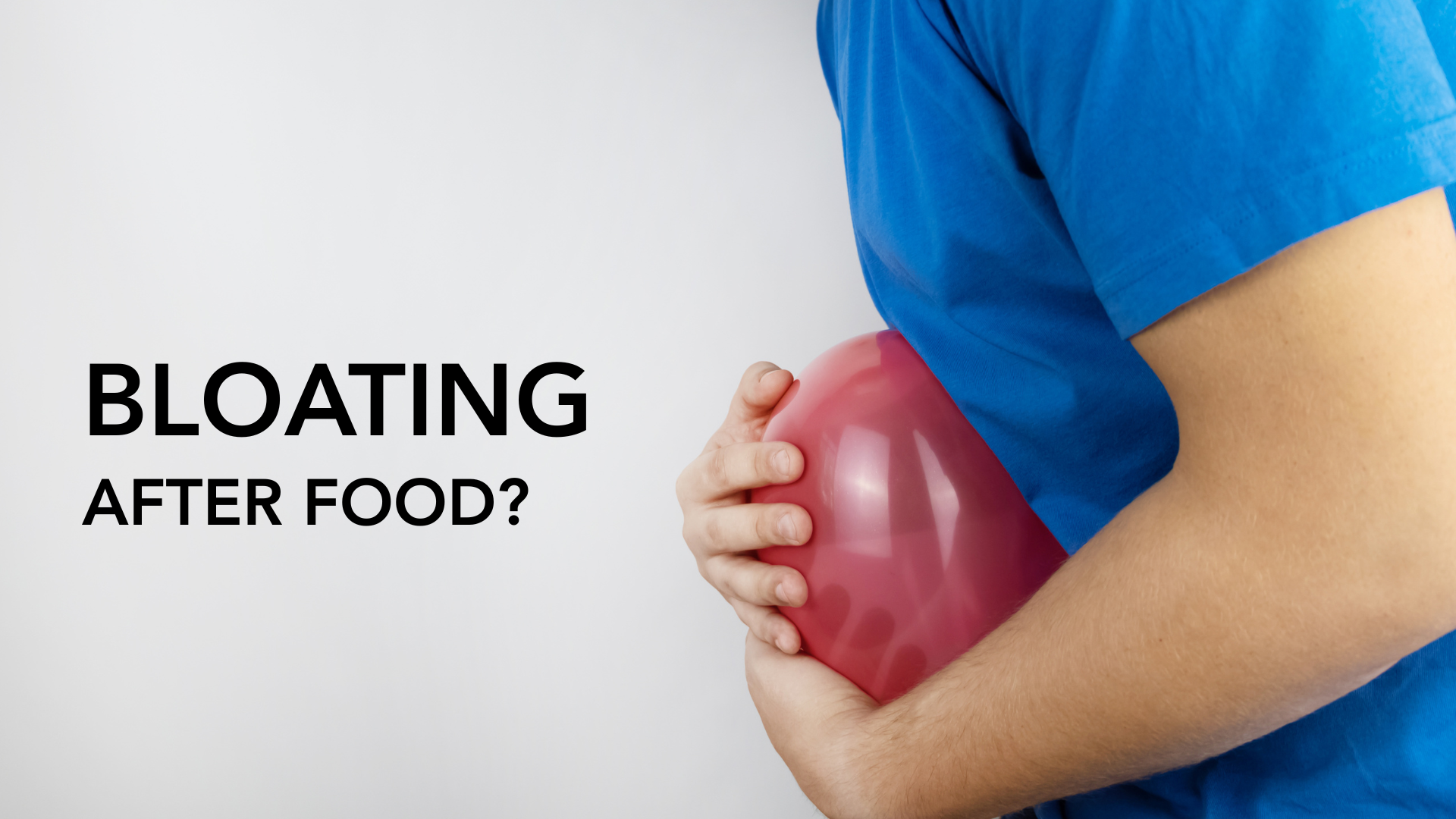
Why Does My Bloating Get Worse After Eating Certain Foods?
Why Does My Bloating Get Worse After Eating Certain Foods?
Wondering why your bloating gets worse after eating certain foods? This expert guide explains the top food triggers, how to find your personal triggers, and practical steps to reduce bloating without living in fear of food.
The Bacterium That Binds Nanoplastics: The Science, Food Sources, and 8 Ways to Safely Detox Microplastics
The Bacterium That Binds Nanoplastics: The Science, Food Sources, and 8 Ways to Safely Detox Microplastics

Fermented Green Papaya Enzyme and IBS Through the Gut Axis
Fermented Green Papaya Enzyme (FGPE) and IBS
Its potential role as an adjunct in IBS through gut-axis support.

Low Libido in Women: The Gut-Brain Axis, Probiotics and Herbal Support for Sexual Well-being
Low Libido in Women: The Gut-Brain Axis, Probiotics and Herbal Support for Sexual Well-being
Low libido in women is often linked to stress, hormones, menopause, gut health and the nervous system. Discover evidence-informed natural support, including probiotics and therapeutic herbs, to help restore desire and well-being.
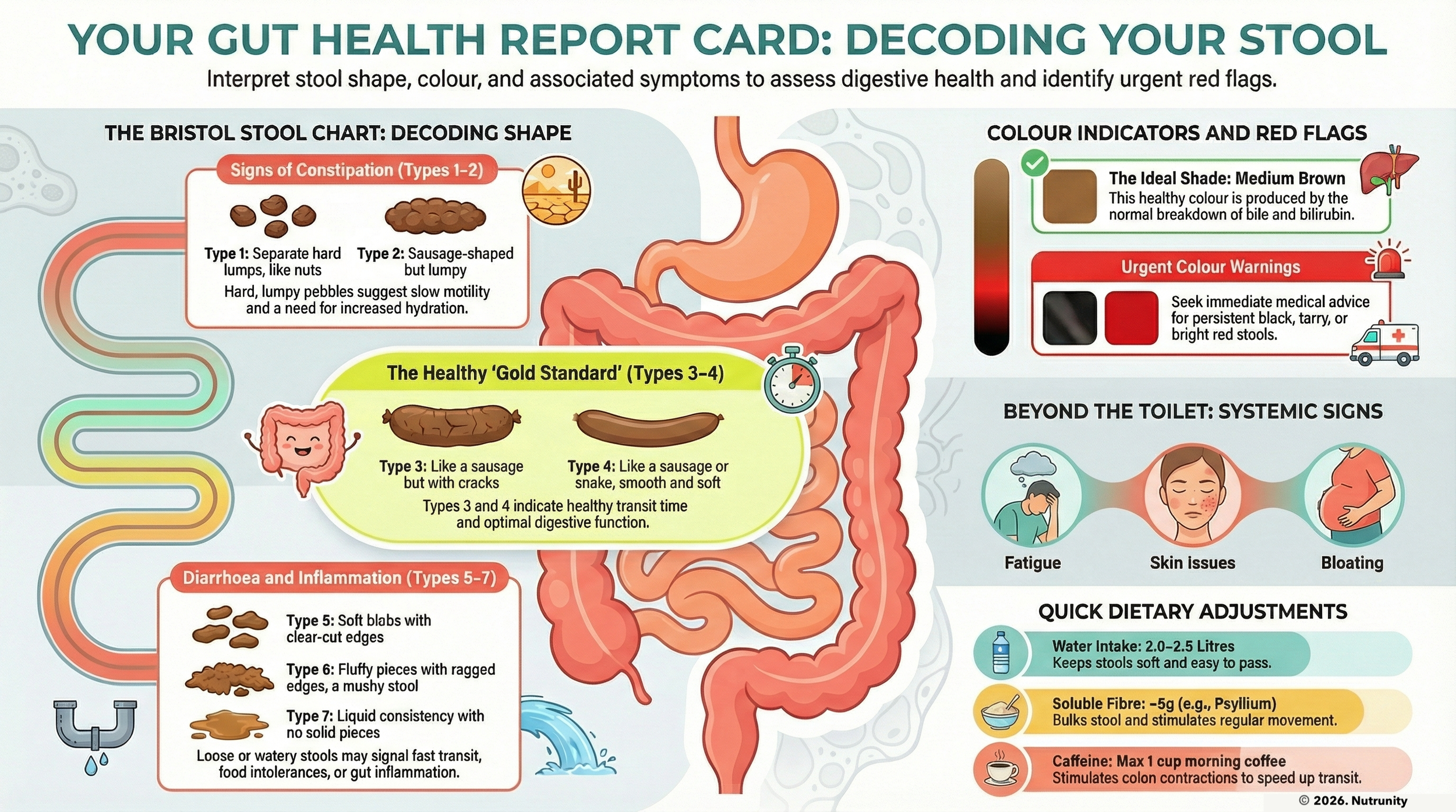
How Ultra‑Processed Foods Wreck Your Gut (And Show Up on the Bristol Stool Chart)
How Ultra‑Processed Foods Wreck Your Gut (And Show Up on the Bristol Stool Chart)
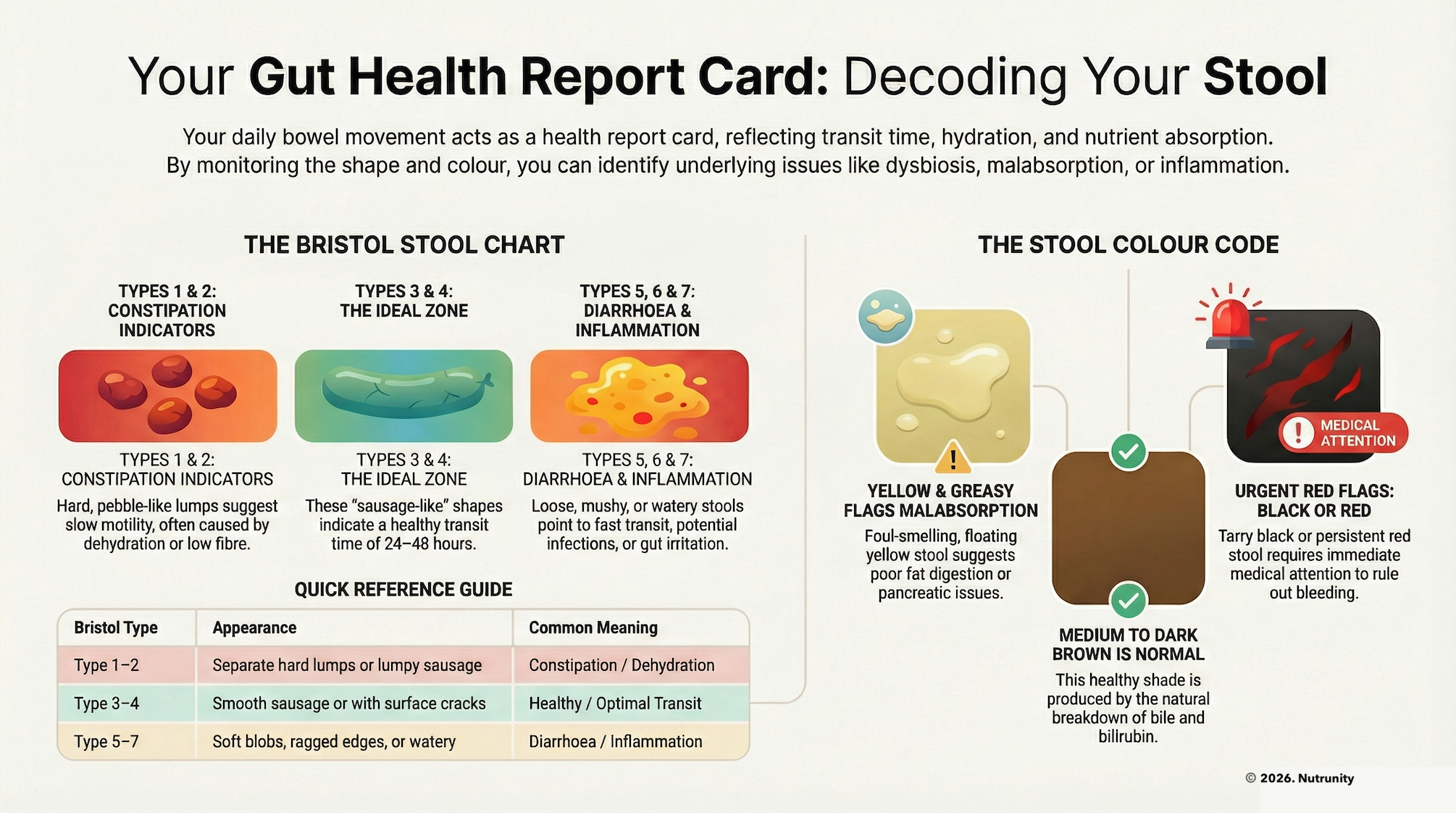
Ultra-processed foods (UPFs) cause gut dysbiosis, bloating, IBS symptoms and erratic Bristol Stool Chart patterns (Types 1–7). Learn how UPFs damage gut barrier function, trigger stool changes and signal deeper microbiome disruption – and when to test.
Strategic Framework: Optimising Workforce Energy and Mental Health through Gut Health Intervention
Strategic Framework: Optimising Workforce Energy and Mental Health through Gut Health Intervention
What Your Poop Says About Your Gut Health (And When to Get a Stool Test)
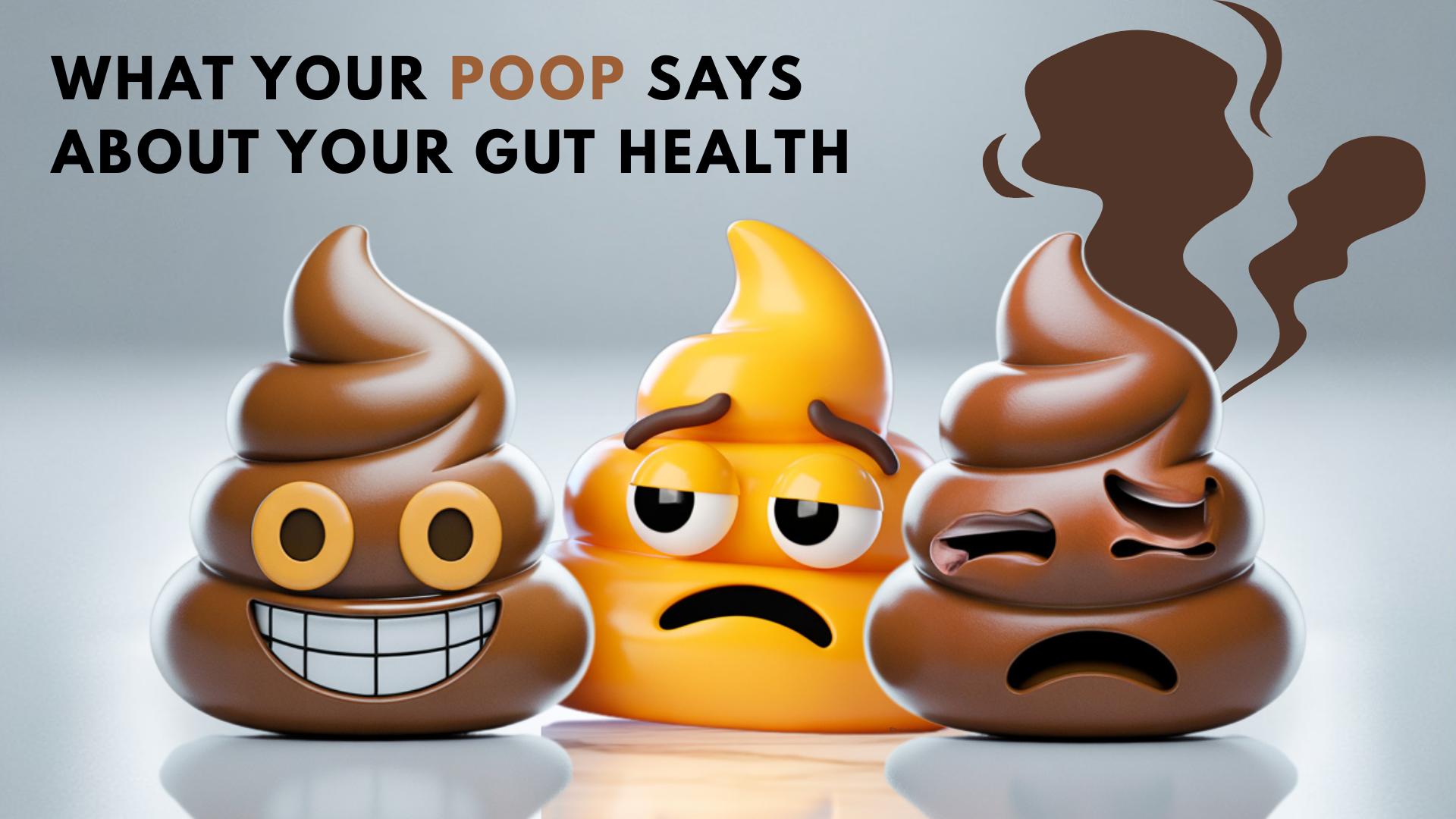
What Your Poop Says About Your Gut Health (And When to Get a Stool Test)
Discover what your stool colour, shape and consistency reveal about gut health. Bristol Stool Chart explained + when to get a stool test for IBS, IBD, dysbiosis or red flags. Expert naturopath guidance.
Artificially-sweetened and Sugary Drinks, and Ultra‑Processed Foods: From Liver Disease to Neurodegeneration
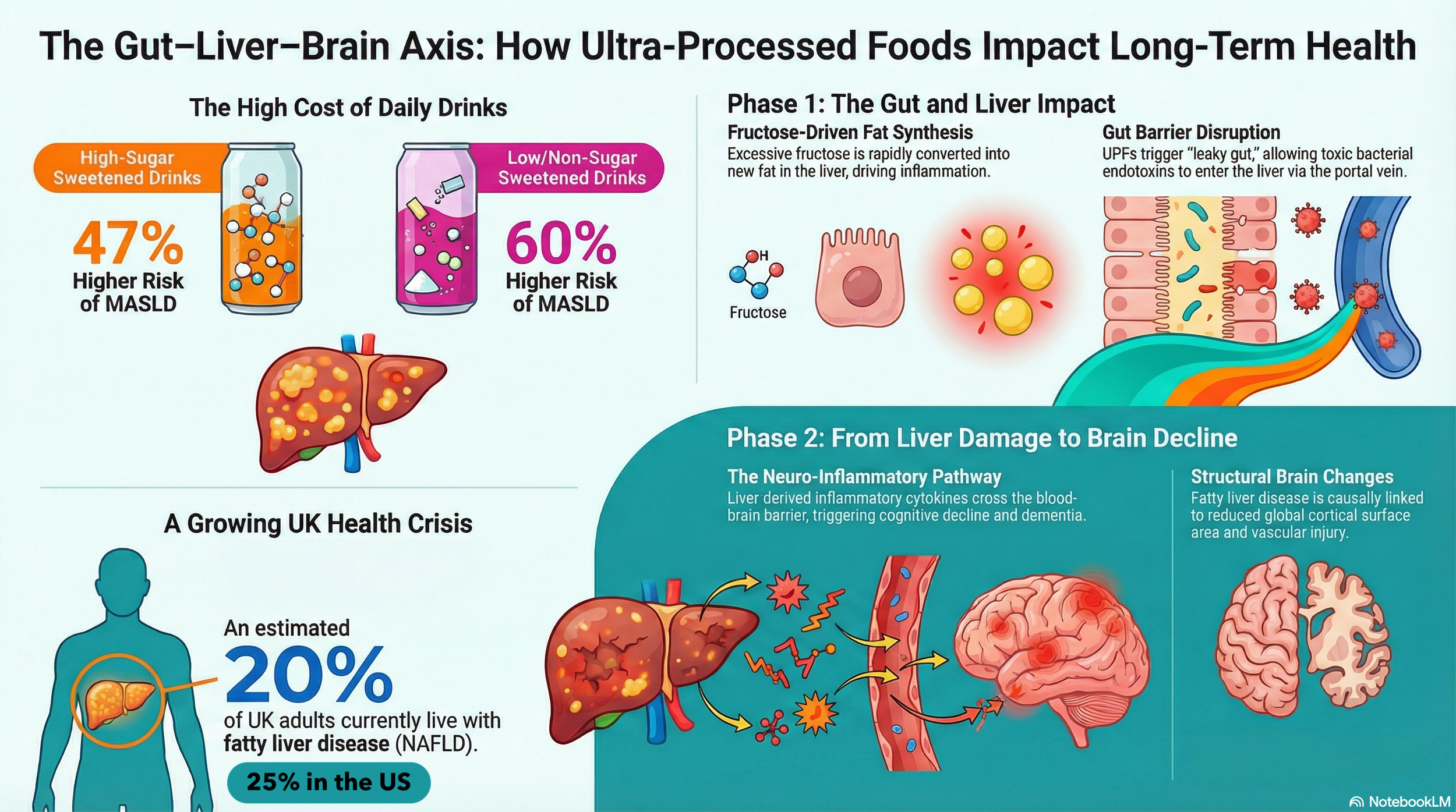
We often separate liver disease, metabolic disorders and dementia into different boxes, but ultra‑processed foods and sugary drinks connect them all.
Chronic exposure to liquid sugar and highly processed products drives fatty liver (MASLD), insulin resistance and systemic inflammation, which then spill over into the brain through the gut–liver–brain axis.
Emerging research links MASLD with higher rates of neuroinflammation, structural brain changes and dementia. Understanding this shared pathway transforms “just a can of soda” into a meaningful lever for protecting both long‑term metabolic health and cognitive function.