
Are You Lying to Yourself with Toxic Positivity?
We have all noticed that social media is saturated with positive affirmations, #GoodVibesOnly hashtags, and is a parade of perfect smiles and relentless demands to "stay positive" — optimism is not just encouraged but demanded. Yet beneath this glossy surface, many of us are struggling, forced to hide our pain, doubts, and struggles behind a mask of relentless positivity. This is the perfect storm of stress, feelings of inadequacies and social disconnection, and the heart of toxic positivity: the belief that we must be upbeat at all costs, even when life feels overwhelming or unfair.
Do you really believe that influencers and so-called “entrepreneurs” are earning the six-figure incomes they claim, promoting their services as the next big thing, and that they remain as cheerful once their stories are shared and reels posted?
What if this insistence on positivity is making things worse?
This cultural obsession with perpetual optimism, where we dismiss pain, silence discomfort, and plaster on smiles, isn’t resilience. It’s emotional evasion. And it’s time to replace it with something far more healing: self-compassion.
What Is Toxic Positivity — And Why Is It So Dangerous?
Toxic positivity is the unspoken rule that only “good” or “happy” emotions are allowed, and that keeping a positive attitude will solve all problems, even the most painful or complex ones. It’s the voice (internal or external) that tells you to “look on the bright side,” “just be grateful,” or “everything happens for a reason,” regardless of what you’re feeling and your current environment.
While encouragement and hope have their place, toxic positivity becomes harmful when it denies or diminishes genuine pain. As mental health experts explain, this mindset invalidates our emotions and can lead to shame, guilt, and even a sense of isolation. When we’re told directly or indirectly that it’s wrong to feel sad, angry, or anxious, we start to believe something is “broken” inside us for not being happy all the time.
The Emotional Fallout
This “positive” mindset can sneak in through well-meaning advice from friends and family or even wellness trends like extreme mindfulness, where focusing on “staying present” can become a way to avoid facing uncomfortable truths. When we force ourselves to be grateful or optimistic in the face of real adversity, we’re not building resilience; we’re burying our heads in the sand, refusing to deal with the reality of our situation.
Shame and Guilt: Being told to “cheer up” or “think positive” when you’re struggling can make you feel ashamed for having difficult emotions, or guilty for not being able to “snap out of it.”
Suppression and Disconnection: Repeatedly denying your true feelings leads to emotional suppression, which research links to increased stress, anxiety, and even physical health complications.
All-or-Nothing Thinking: Toxic positivity encourages a distorted view that emotions are either “good” or “bad,” which is unrealistic and damaging.
“Toxic positivity encourages a distorted view that emotions are either “good” or “bad,” which is unrealistic and damaging.”
In a nutshell…
The Roots of Emotional Evasion
Many of us learned early on to hide our difficult emotions. Perhaps we were told as children not to cry, to “be brave,” or that our feelings were “too much.” Over time, these messages become internalised, shaping our belief that strength means silence and that resilience is about pushing through, no matter what. As adults, we may find ourselves “performing” happiness, smiling through pain, or brushing off our needs with humour or distraction.
But this emotional suppression comes at a cost. When we deny our feelings, they don’t simply disappear. Instead, they linger beneath the surface, often manifesting as anxiety, numbness, irritability, or even physical symptoms. We may feel disconnected from ourselves and others, unable to form authentic relationships or heal from our past experiences.
The Hidden Dangers of Forced Optimism
Pretending to be okay when we’re not can be deeply damaging. Research shows that suppressing emotions increases stress, weakens the immune system, and can even contribute to depression and burnout. When we constantly override our true feelings with forced positivity, we lose touch with our needs and become isolated, unable to ask for help or support. Remember that stress hormones dysregulate and suppress digestive and immune function, leading to gut issues (i.e., dysbiosis, increased intestinal hyperpermeability and low-grade inflammation)!
This kind of emotional evasion is not resilience; it is avoidance. It’s a refusal to acknowledge the full spectrum of human experience, which includes sadness, anger, frustration, and grief alongside joy and hope. True emotional health is not about always being happy; it’s about being honest with ourselves and allowing space for all our feelings.
When Mindfulness Becomes Evasion
Mindfulness is often touted as a cure for stress and negativity, but even this powerful practice can be twisted into a form of toxic positivity. When mindfulness is used to bypass or suppress difficult emotions, by insisting we “just focus on the present” or “let go of negativity,” it becomes another way to avoid reality. True mindfulness, at its core, is about observing our emotions without judgment, allowing ourselves to feel what we feel, and responding with kindness and curiosity.
The Healing Power of Self-Compassion
If toxic positivity is about denial, self-compassion is about acceptance. Instead of demanding that we “cheer up” or “move on,” self-compassion invites us to meet our pain with patience, warmth, and understanding. According to psychologist Kristin Neff, self-compassion involves three key elements: mindfulness (recognising and accepting our feelings), self-kindness (treating ourselves with care rather than criticism), and common humanity (remembering that everyone struggles sometimes).
Unlike toxic positivity, self-compassion doesn’t ask us to ignore our pain or force gratitude. It allows us to be honest about where we are, validate our emotions, and offer ourselves the same kindness we would extend to a friend.
Research consistently shows that people who practise self-compassion are more resilient, less anxious and depressed, and more motivated to care for themselves in meaningful ways.
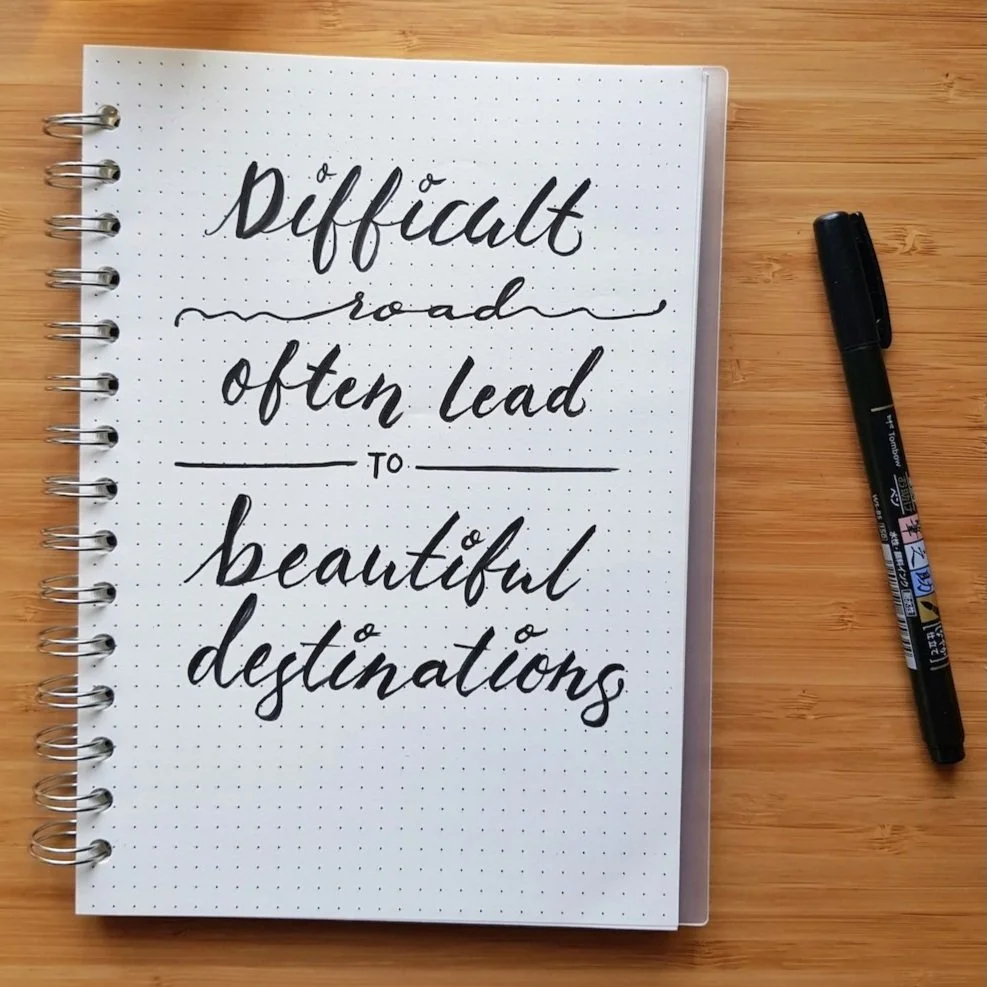
Good advice or toxic positivity when used wrongly?
Where Does Toxic Positivity Come From?
This pressure to be positive can come from many places:
Upbringing: Many of us were taught as children to “stop crying” or “be brave,” learning early that uncomfortable feelings should be hidden or quickly dismissed.
Social Media: Platforms like Instagram and TikTok amplify toxic positivity by showcasing only the happiest moments, making it seem like everyone else has it all together.
Cultural Messages: Society often equates happiness with success and strength, while sadness or anger is seen as weakness or failure.
Even well-meaning friends and family may contribute, thinking they’re helping by offering pep talks or platitudes. But as one therapist puts it, “Toxic positivity when you’re seeking help is like showing a doctor your open wound and having them sprinkle it with glitter.”
“Having a positive mindset isn’t what is toxic. The problem is minimising and demeaning any negative emotion in general. If an individual is going through a difficult time in their life, telling them to be positive likely won’t change what they are going through, and it probably won’t miraculously make them happy. Instead, it may make the individual feel as though it is wrong to feel sad, anxious, or angry. ”
Root Causes of Toxic Positivity
Toxic positivity doesn’t appear out of nowhere; it’s the product of multiple, deeply embedded influences in our upbringing, culture, and digital lives. Understanding where this pressure to “always be positive” comes from can help us recognise it in our thinking and interactions and begin to challenge it in healthier, more authentic ways.
Upbringing and Early Conditioning
For many of us, the seeds of toxic positivity are planted in childhood. Well-meaning parents and caregivers often encourage children to “be brave,” “stop crying,” or “cheer up,” hoping to comfort or protect them. While these intentions may be good, the repeated message is clear: difficult emotions are inconvenient, excessive, or best kept hidden. Over time, this teaches us to suppress sadness, anger, or fear, and to believe that emotional discomfort should be avoided or quickly fixed rather than understood and processed.
Cultural and Societal Messages
Our broader culture reinforces these early lessons. In many societies, happiness is equated with success, strength, and morality, while sadness, anger, or vulnerability are signs of weakness or personal failure. Popular media, advertising, and workplace environments often celebrate those who are “always positive” and quietly sideline or stigmatise those who express struggle or doubt. This creates a climate where people feel pressured to perform happiness, even when not genuine, for fear of being judged or left behind.
The Role of Social Media: Amplifier and Distorter
Social media platforms like Instagram, TikTok, and Facebook have turbocharged toxic positivity. Algorithms promote cheerful, inspirational content, while posts about struggle or hardship are less likely to be seen or celebrated. Users, in turn, curate their feeds to highlight achievements, joyful moments, and filtered images, creating an illusion that everyone else is thriving while we alone are struggling. This “highlight reel” effect can fuel feelings of inadequacy, loneliness, and the sense that negative emotions are abnormal or shameful. This can become more problematic when you’re placed into an algorithm “bubble,” being relentlessly bombarded with the same type of content, minimising self-regulation and challenging the narrative.
Moreover, the culture of “good vibes only” and phrases like “just stay positive” or “everything happens for a reason” are not just common online; they’re often rewarded with likes, shares, and positive comments, reinforcing the idea that only certain emotions are acceptable. Over time, this can lead to a cycle of emotional suppression and even gaslighting, where people begin to doubt the validity of their feelings.
Well-Meaning but Misguided Support
Even friends and family can unintentionally perpetuate toxic positivity. When someone shares their struggles, it’s natural to want to help them feel better. However, offering platitudes like “look on the bright side” or “it could be worse” can invalidate the person’s experience, making them feel unseen or misunderstood. As one therapist aptly put it, “Toxic positivity when you’re seeking help is like showing a doctor your open wound and having them sprinkle it with glitter.” Instead of comfort, this response can deepen feelings of isolation and shame.
The Psychological Mechanisms at Play
Psychologically, humans are wired to avoid discomfort. Toxic positivity can be a coping mechanism, a way to escape the pain of difficult emotions by replacing them with forced optimism. However, research shows that suppressing or denying negative feelings doesn’t make them disappear. Instead, it can increase anxiety, depression, and even physical symptoms over time.
The Double-Edged Sword of Positivity
It’s important to note that positivity itself isn’t inherently bad. Optimism, gratitude, and hope are powerful tools for resilience and well-being. The problem arises when positivity silences, dismisses, or invalidates real emotions and experiences. This “all-or-nothing” approach to emotions can create unrealistic expectations, making it harder to cope with life’s inevitable ups and downs.
“When mindfulness is used to bypass or suppress difficult emotions, by insisting we “just focus on the present” or “let go of negativity,” it becomes another way to avoid reality. True mindfulness, at its core, is about observing our emotions without judgment, allowing ourselves to feel what we feel, and responding with kindness and curiosity.”
The Problem With “Mindfulness to the Extreme”
Mindfulness and gratitude are powerful tools for emotional balancing and well-being. But when taken to the extreme, used to avoid or override real pain, they become just another form of toxic positivity. Forcing yourself to “just be grateful” or “focus on the present” when you’re in distress is not healing; it’s emotional evasion. True mindfulness is about accepting all emotions, not just the pleasant ones, and making space for discomfort as part of the human experience.
How Toxic Positivity Impacts Mental Health
The effects of toxic positivity go far beyond momentary discomfort. Research shows that suppressing negative emotions can:
Increase anxiety and depression: When we deny our pain, it doesn’t disappear, it festers, often resurfacing as anxiety, depression, or even unexplained physical symptoms, weight gain and/or fatigue.
Damage relationships: Pretending everything is fine makes it harder to connect authentically with others, leading to loneliness and misunderstandings. It also becomes more challenging to stick to your core values and beliefs.
Create stigma around mental health: When only “positive” emotions are acceptable, people become reluctant to seek help, fearing judgment or rejection.
A 2023 study on university campuses found that exposure to toxic positivity increased stigma and reduced willingness to interact with those experiencing mental health challenges, highlighting the societal risk of this mindset.
Pretending: Why We Need Emotional Honesty
Humans are wired to experience a full range of emotions. Sadness, anger, fear, and disappointment are not flaws; they are signals, providing valuable information about our needs, boundaries, and values. When we ignore or suppress these feelings, we lose touch with ourselves and miss opportunities for genuine growth.
Toxic positivity is like putting a plaster on a deep wound: it may temporarily cover things up, but healing only begins when we acknowledge what hurts and attend to it with care.
“The antidote to toxic positivity is “tragic optimism,” a phrase coined by Viktor Frankl. Tragic optimism involves the search for meaning amid the inevitable tragedies of human existence, something far more practical and realistic during trying times.
Researchers who study “post-traumatic growth” have found that people can grow in many ways from difficult times — including having a greater appreciation of one’s life and relationships, as well as increased compassion, altruism, purpose, utilisation of personal strengths, spiritual development, and creativity. Importantly, it’s not the traumatic event itself that leads to growth (no one is thankful for COVID-19), but rather how the event is processed, the changes in worldview that result from the event, and the active search for meaning that people undertake during and after it.”
What Can We Do Differently?
Recognising the roots of toxic positivity is the first step toward change. Here’s how we can start to shift the culture:
Normalise all emotions: Remind yourself and others that feeling sad, angry, or anxious is okay. These feelings are part of being human.
Model emotional honesty: Share your authentic experiences, both positive and negative, to help break the illusion of constant happiness.
Respond with empathy: When someone confides in you, listen and validate their feelings instead of offering quick fixes or platitudes.
Curate your digital space: Follow accounts promoting authenticity and mental health, and take breaks from feeds that pressure you to “perform” happiness.
Educate yourself and others: Learn about emotional health and the dangers of toxic positivity, and share this knowledge within your circles.
By understanding where toxic positivity comes from and how it’s reinforced by our upbringing, culture, and digital lives, we can begin to create more compassionate, honest spaces for ourselves and others. True well-being is not about denying pain but about embracing the full spectrum of human emotion with kindness and courage.
Moving Beyond Toxic Positivity: The Power of Self-Compassion
So what’s the alternative?
Self-compassion is treating yourself with kindness, patience, and understanding, especially when struggling. Unlike toxic positivity, self-compassion doesn’t demand that you “cheer up” or “move on.” Instead, it invites you to:
Recognise your feelings: Name what you’re experiencing without judgement.
Validate your emotions: Remind yourself that it’s okay to feel sad, angry, or scared; these are normal, human reactions.
Offer kindness: Speak to yourself as you would to a close friend, with patience and encouragement rather than criticism.
Research shows that self-compassion increases resilience, reduces anxiety and depression, and supports long-term well-being.
How to Practise Self-Compassion in Daily Life
Pause and Notice: When you feel discomfort, take a moment to check in with yourself. What are you feeling?
Express, Don’t Suppress: Write in a journal, talk to a friend, or simply say your feelings out loud. Naming emotions reduces their intensity and helps you process them.
Challenge the Positivity Police: If someone tries to “silver-lining” your pain, gently let them know you just need to be heard, not fixed.
Set Boundaries: Limit your exposure to people or content that makes you feel invalidated or pressured to be “okay” all the time.
Seek Support: Contact a therapist or support group if you’re struggling. You deserve help and understanding.
Why This Matters: The Path to Resilience
True resilience is not about being happy all the time; it’s about being honest, flexible, and compassionate with yourself, even when life is hard. When we allow ourselves to feel and process our full range of emotions, we build genuine strength and deeper connections with others.
Remember, you are not broken for feeling pain or struggling. You are human. It’s okay not to be okay and more than okay to ask for help.
Choose Self-Compassion Over Perfection
You’re not alone if you’re tired of pretending, feeling burnt out, or disconnected from your true self. The first step towards healing is honesty with yourself and those you trust. Prioritise your emotional well-being, reach out for support, and consider booking a discovery call to explore how compassionate coaching or therapy can help you reconnect with your authentic self.
“Toxic positivity comes from feeling uncomfortable with negative emotions.”
It’s Okay Not to Be Okay
Accept that it’s perfectly normal to experience negative emotions. No one is okay all the time. Instead of judging yourself for feeling down, remind yourself that it’s human to struggle sometimes.
Acknowledge and Manage Your Emotions
Don’t deny difficult feelings. While unchecked negative emotions can increase stress, they also offer valuable insights that can help you make positive changes in your life.
Practice Compassionate Listening
When someone shares their struggles, avoid dismissing them with forced positivity. Instead, validate their feelings and offer your genuine support by simply listening and being present. The same way you would want them to support you.
Let’s move beyond the myth of #goodvibesonly. Real life is messy, and real healing starts with truth. Permit yourself to feel, to heal, and to thrive.
References
Adler, NE. Aiken, LS. Benyamini, Y. et al. (2014). In: Friedman, HS. (Ed). The Oxford Handbook of Health Psychology. Oxford: Oxford University Press. ISBN:978-0.
Atkinson, S. (2021). The toxic effects of subjective wellbeing and potential tonics. Social Science & Medicine. 288, 113098. doi:10.1016/j.socscimed.2020.113098
Better Help. (2025). Exploring Toxic Positivity On Social Media. Available at: https://www.betterhelp.com/advice/current-events/exploring-toxic-positivity-on-social-media
Bojanowska, A. Zalewska, AM. (2016). Lay understandings of happiness and the experience of well-being: Are some conceptions of happiness more beneficial than others? Journal of Happiness Studies. 17, pp. 793–815.
Bybee, SG. Waters, AR. Smith, K. et al. (2024). Misalignment of social support in the social media posts of young adult cancer caregivers. Cancer Reports (Hoboken). 7(2), e1998. doi:10.1002/cnr2.1998
Collins, R. (2022). Leading forward: Embracing feedback and moving toward authentic positivity. Nurse Leader. 20(3), pp. 270 - 272
Dajani, T. Bryant, V. Sackett, D. et al. (2021). Your wellness program is interfering with my well-being: Reducing the unintended consequences of wellness initiatives in undergraduate medical education. MedEdPublish. 10(1), pp. 11-15. doi:10.15694/mep.2021.000146.1
Feltner, ME. (2023). Toxic Positivity and Perceptions of Mental Health. Senior Theses, University of South Carolina. Available at: https://scholarcommons.sc.edu/senior_theses/607
Fischer, AH. (2018). Comment: The Emotional Basis of Toxic Affect. Emotion Review, 10(1), pp. 57-58. doi:10.1177/1754073917719327
Ford, BQ. Lam, P. John, OP. et al. (2018). The psychological health benefits of accepting negative emotions and thoughts: Laboratory, diary, and longitudinal evidence. Journal of Personality and Social Psychology. 115(6), pp. 1075-1092. doi:10.1037/pspp0000157
Halberstam, J. (2011). The Queer Art of Failure. Duke University Press. London.
Kools, S. McCarthy, M. Durham, R. et al. (1996). Dimensional analysis: Broadening the conception of grounded theory. Qualitative Health Research. 6(3), pp. 312-330. doi:10.1177/104973239600600302
Kubzansky, L. Huffman, J. Boehm, J. et al. (2028). Positive psychological well-being and cardiovascular disease: JACC Health Promotion Series. JACC. 72(12), pp. 1382–1396. doi:10.1016/j.jacc.2018.07.042
Lieberman, MD. Eisenberger, NI. Crockett, MJ. et al. (2007). Putting feelings into words. Psychological Science. 18(5), pp. 421-428. doi:10.1111/j.1467-9280.2007.01916.x
Lew, Z. Flanagin, AJ. (2023). Toxic positivity on social media: The drawbacks and benefits of sharing positive (but potentially platitudinous) messages online. New Media & Society. doi:10.1177/14614448231213944
Neff, KD. (2011). Self-Compassion: Stop Beating Yourself Up and Leave Insecurity Behind. William Morrow. New York. ISBN:978-0-06-173351-2
Neff, Kristin D. (2003). The development and validation of a scale to measure self-compassion. Self and Identity. 2(3), pp. 223-250. Available at: https://self-compassion.org/wp-content/uploads/publications/empirical.article.pdf
Passmore, HA. Howell, AJ. Holder, MD. (2028). Positioning implicit theories of well-being within a positivity framework. Journal of Happiness Studies. 19, pp. 2445–2463. doi:10.1007/s10902-017-9934-2
Salopek, AH. Eastin, MS. (2024). Toxic positivity intentions: an image management approach to upward social comparison and false self-presentation. Journal of Computer-Mediated Communication. 29(3), zmae003. doi:10.1093/jcmc/zmae003
Shipp, H. Hall, KC. (2023). Toxic Positivity: A Concept Analysis. East Tennessee State University. PDF Available from: https://dc.etsu.edu/cgi/viewcontent.cgi?article=1115&context=es-conf
Shipp, H. Hall, KC. (2024). Analyzing the concept of toxic positivity for nursing: A dimensional analysis approach. Journal of Advanced Nursing. 80(8), pp. 3146-3157. doi:10.1111/jan.16057
Steffen, PR. Moss, D. (2024). Integrating Psychotherapy and Psychophysiology: Theory, Assessment, and Practice. Oxford University Press. Oxford. ISBN: 978-0-19-888872-7